Facilities
The Department of Applied Physics provides a range of modern facilities designed to support high-quality classroom & laboratory teachings, research, and student engagement. The learning environment is structured to integrate theoretical instruction with hands-on experimentation and project-based training.
Renewable Energy Research Lab (RERL):
- The Renewable Energy Research Lab (RERL), formerly known as the Renewable Energy Research Group, was founded in 2012. From the very beginning, RERL has been committed to addressing the pressing global challenges of climate change, energy security, and environmental sustainability.
- Our lab is a hub for innovation, focusing on research areas like wind, solar, tidal, waste-to-energy and smart grids. We're not just about theory—we're on a mission to develop practical, cost-effective solutions that benefit the planet and make renewable energy accessible to all.
- At RERL, we provide an inspiring space for undergraduate and postgraduate students to explore and solve real-world energy problems. Whether they're working with cutting-edge software or experimenting with advanced hardware, students are deeply involved in shaping the future of energy.
- Finally, RERL is backed with high impacts research publications in prestigious journals and conference participations covering different aspects of wind, solar, smart grid, and related energy resources.
Nanoscale Synthesis & Research Laboratory (NSRL):
This lab consists of two sub sections:
- 1. KM Aleem Nanotech Laboratory
This laboratory is named after KM Aleem (late), one of the alumni of this department. It was established with the generous funding and efforts of the family and friends (Alumni 1982) of late KM Aleem. This section caters the synthesis of nano materials in general and 2D materials in particular. Synthesis of 2D materials is done using Chemical Vapor Technique (CVT), Chemical Vapor Deposition (CVD) as well as hydrothermal method. Moreover, facility is also available to synthesize nanomaterials using wet chemical method. Synthesized materials can be used in electronics, optoelectronics, sensors, energy applications etc.
We are actively working on the synthesis of TMDs, Mxenes, and other 2D materials in this laboratory. - 2. Ansari & Zaidi Thin Film Laboratory
This lab is named after two of pioneer professors of this department to pay homage for their services to the department. This lab aims at growth of thin films for electronic, optoelectronics, sensor, and photovoltaic applications. Thin film growth is carried out by thermal evaporation method using a vacuum coating unit. The lab is equipped with the facilities to study electrical transport and dielectric properties of thin films. Moreover, we also use spin coater and ultrasonic bath for the fabrication of thin films. We are planning to use these facilities to synthesis composite materials as well.
These labs are supported by extensive publication track record in basic physics, applied physics and material physics journals of high repute.
Classrooms:
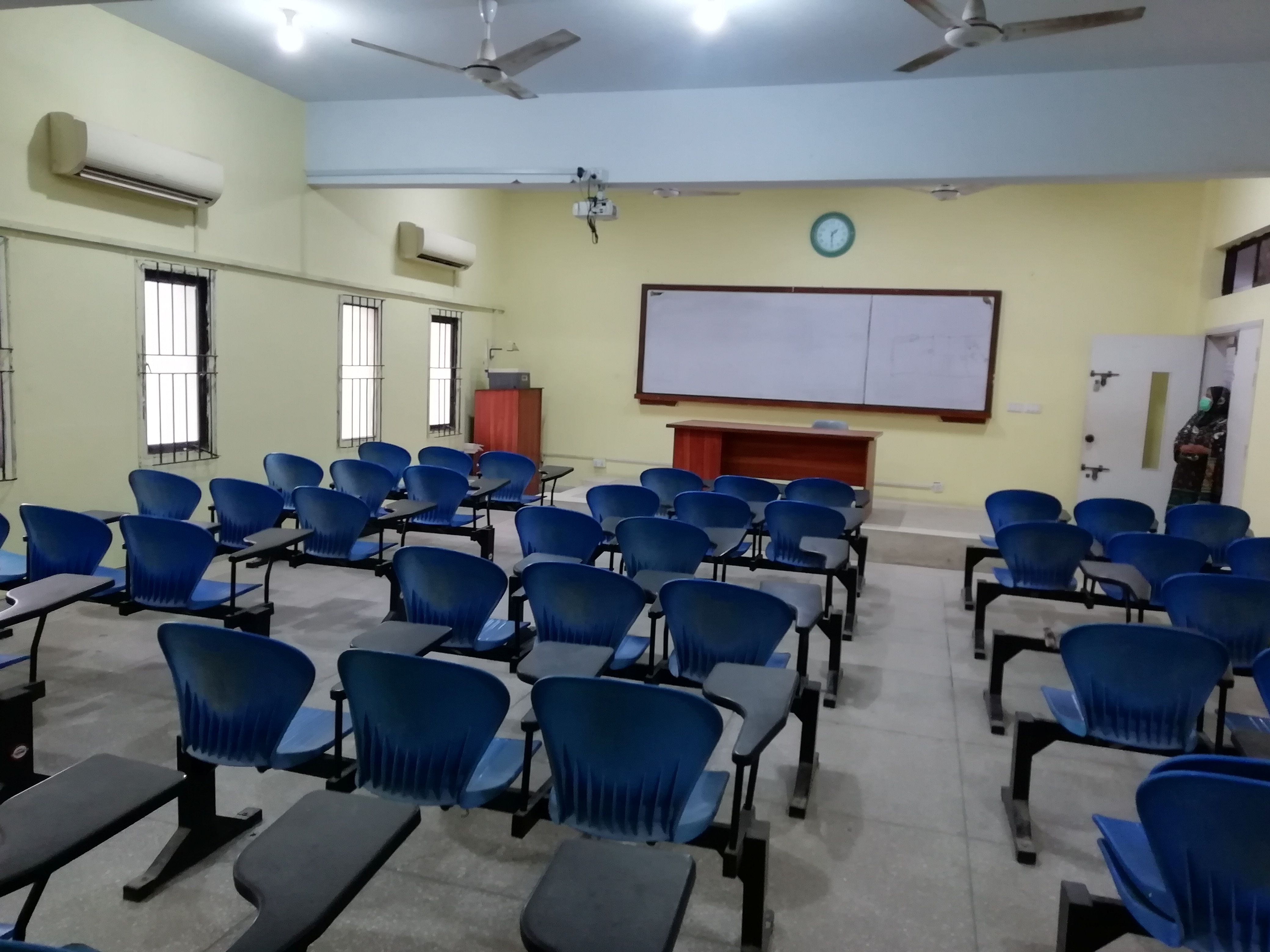
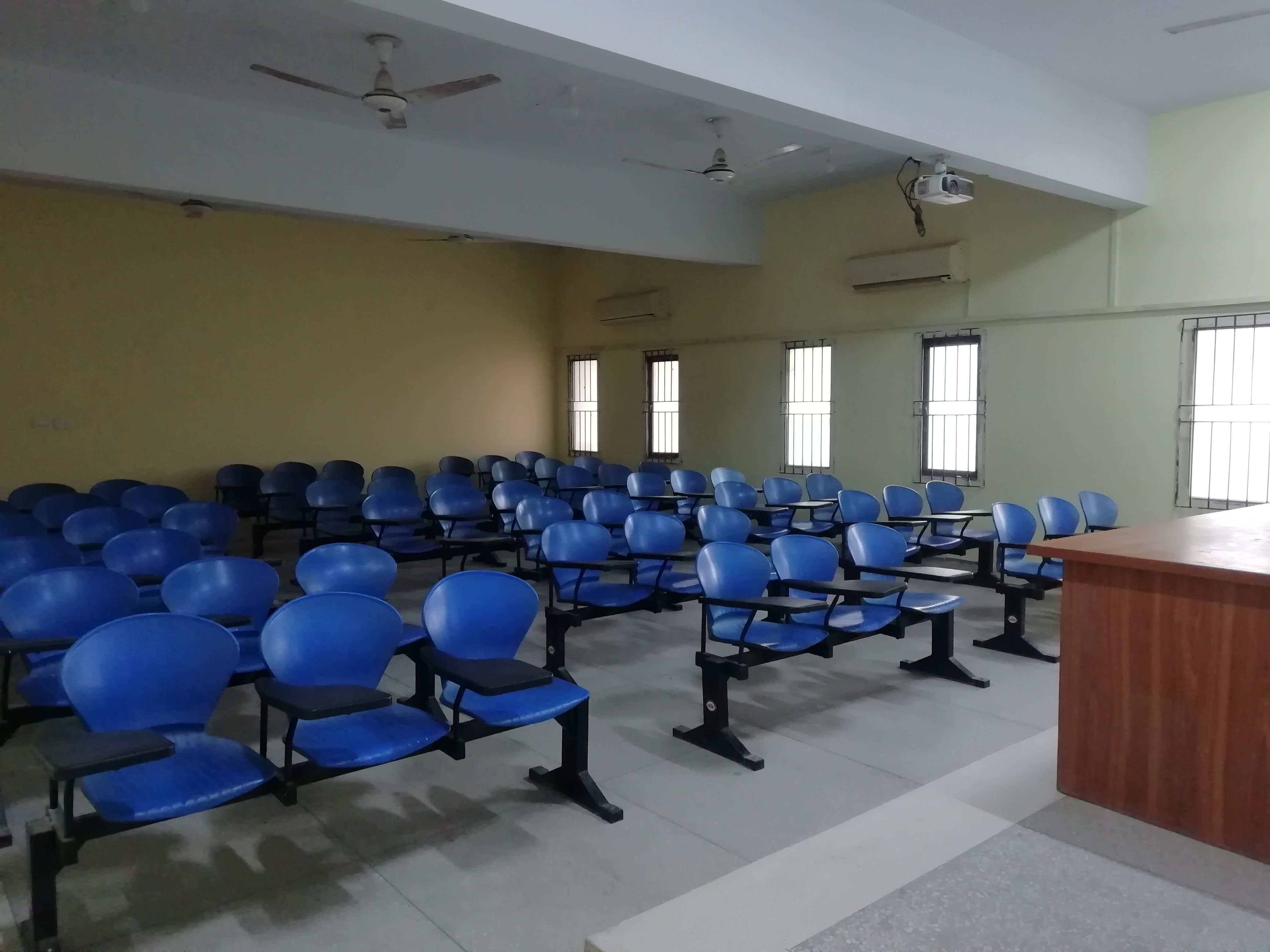
The department owns four classrooms and equipped with multimedia projectors, ensuring a comfortable environment and effective delivery of lectures and presentations.
![]() |
![]() |
Teaching Laboratories:
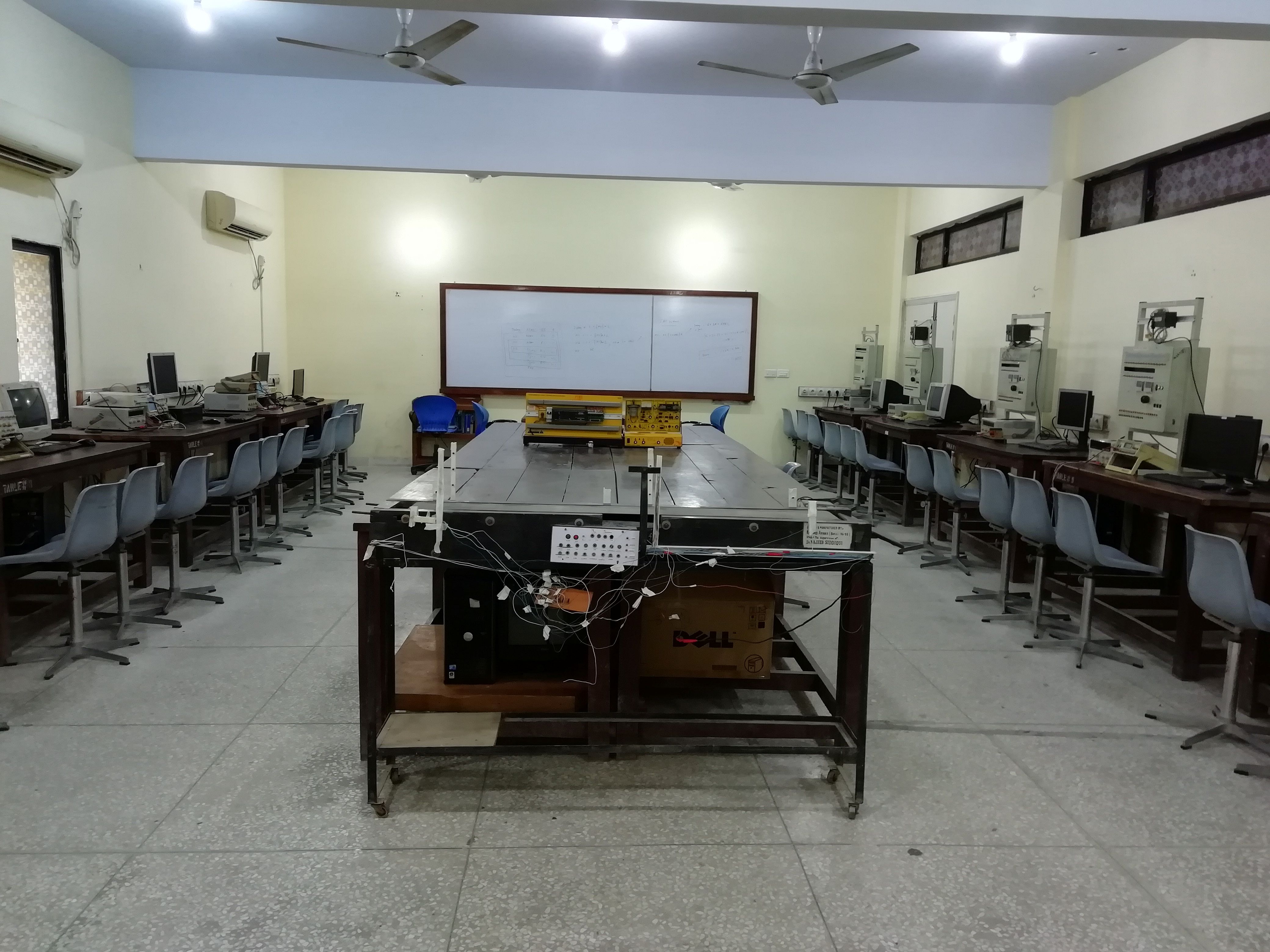
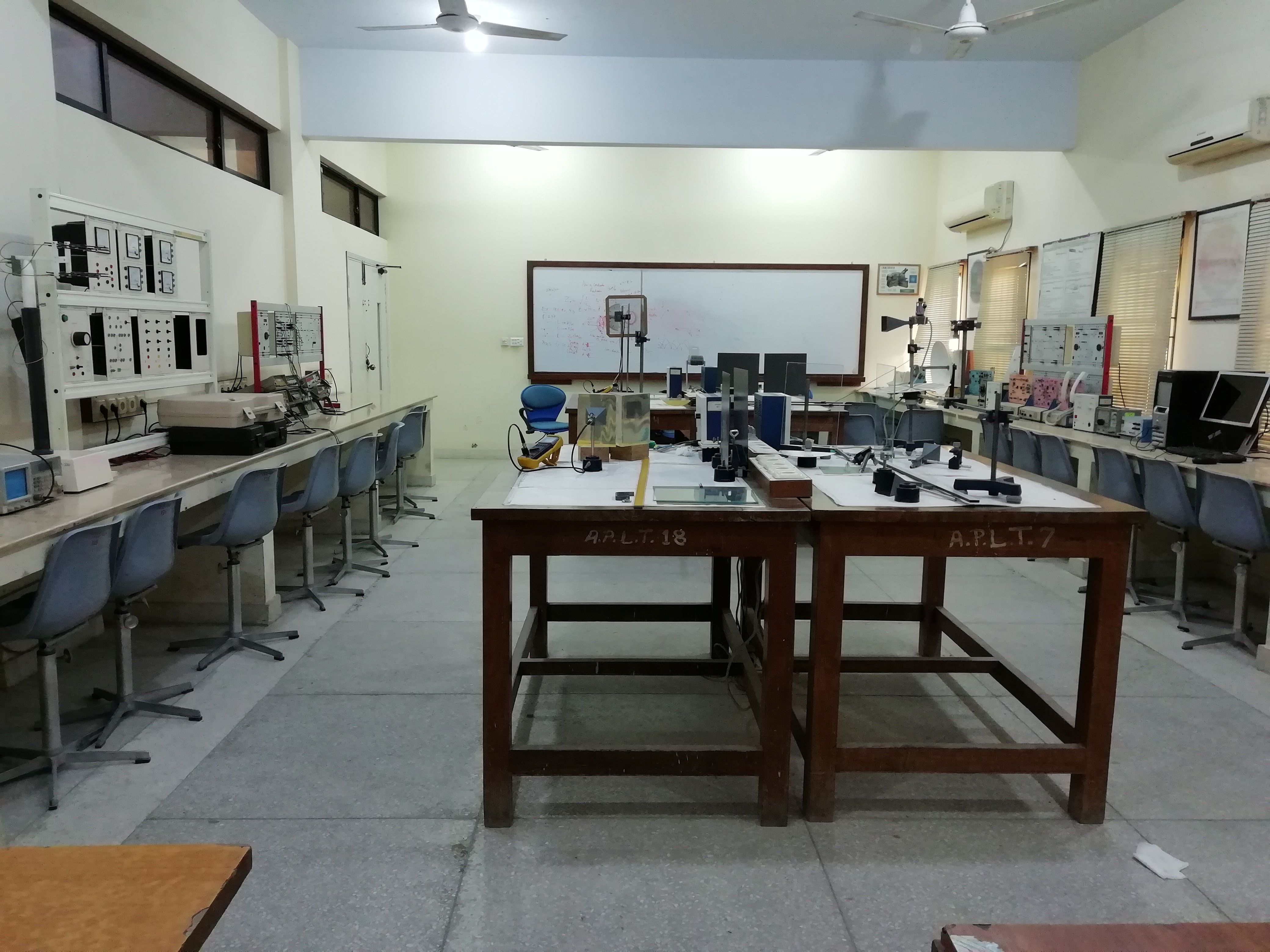
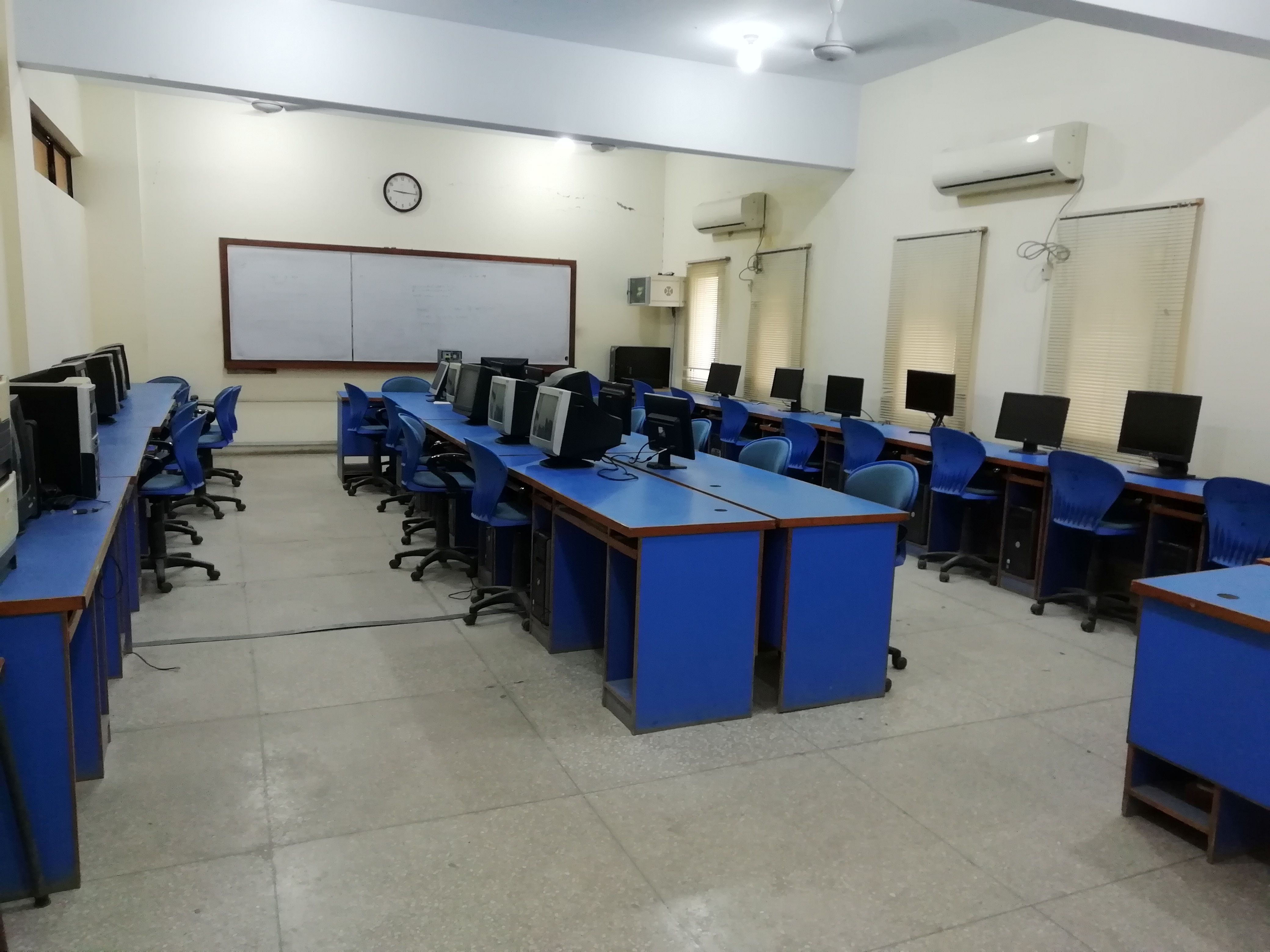
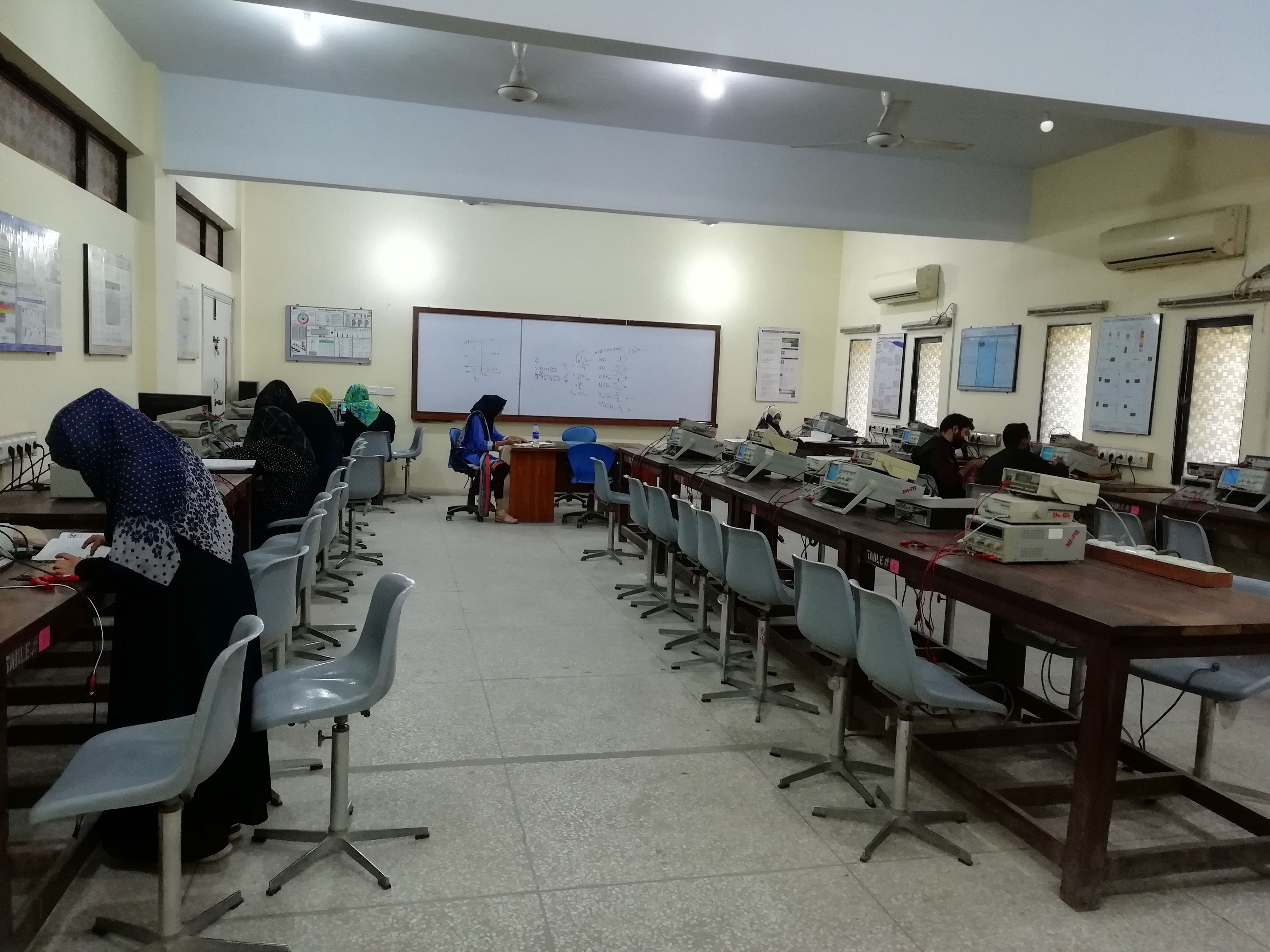
The department maintains spacious and well-equipped laboratories that cater to a broad spectrum of courses. Seven dedicated laboratories are available for hands-on training for subjects like Physics, Basic and Digital Electronics, Industrial Automation & PLC, Digital Signal Processing (DSP), Communication Electronics, Fiber Optics, and Computer Applications. These facilities provide undergraduate students with practical exposure to advanced instrumentation and experimental techniques, thereby reinforcing theoretical knowledge with applied skills.
![]() |
![]() |
![]() |
![]() |
Seminar Library:
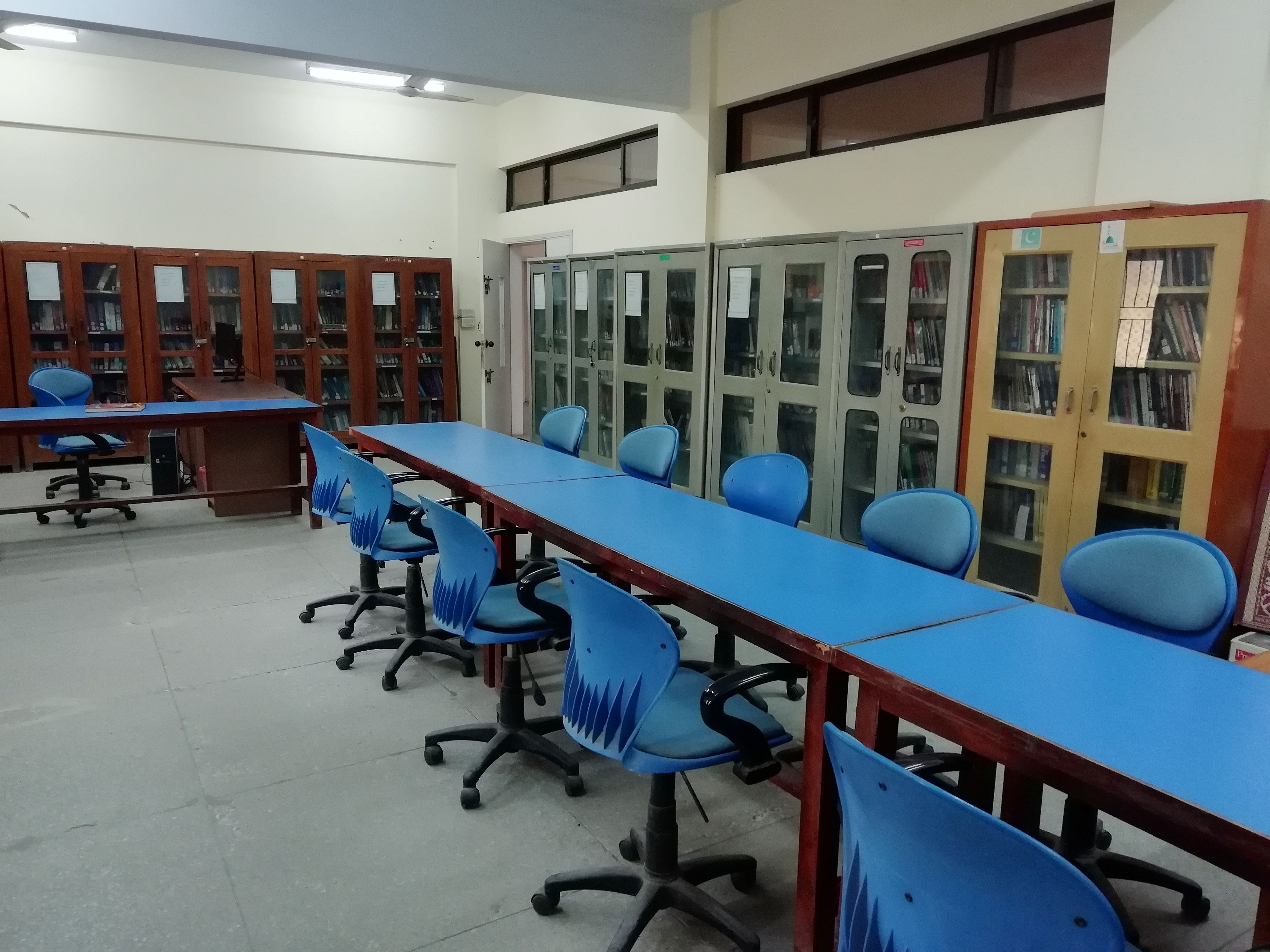
A seminar library, housing a collection of more than 1,500 books and reference materials related to physics, electronics, renewable energy, and advanced technologies, serves as a valuable academic resource for students and researchers.
![]() |
Girls’ Common Room (GCR):
To facilitate a supportive environment, the department also provides a dedicated Girls’ Common Room, offering female students space for relaxation and interaction beyond academic activities.
Collectively, these facilities foster an enabling academic environment, ensuring that students at undergraduate and graduate levels have access to both the infrastructure and resources necessary for their intellectual and professional development.